Why Your Face Should Still Look Like You: The Art of Preserving Natural Expression in Facial Plastic Surgery

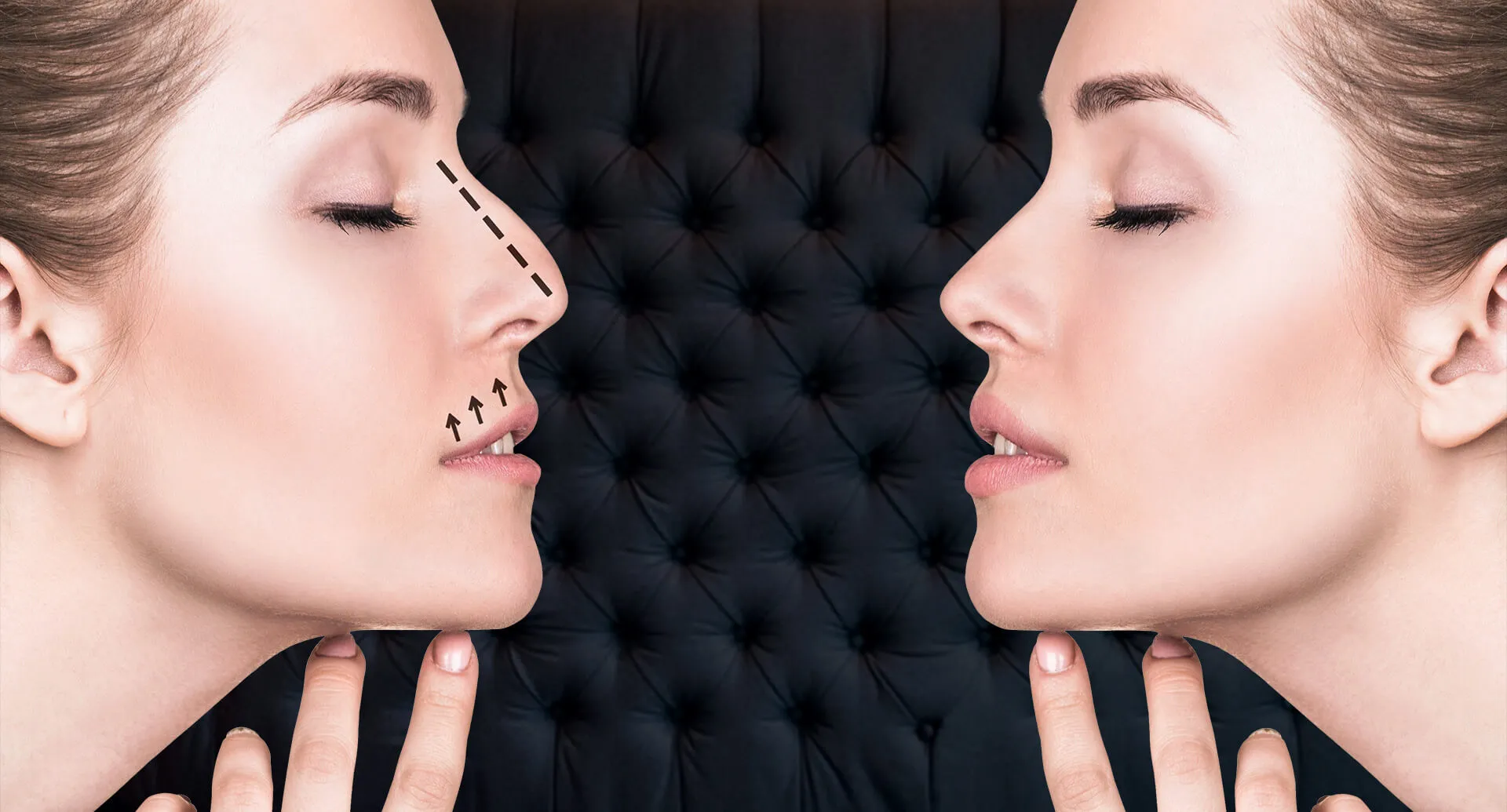
The most successful facial plastic surgery results share one defining characteristic: people notice you look refreshed, rested, and vibrant—but they can’t quite pinpoint what changed. Your smile still reaches your eyes. Your expressions still convey the full range of emotion that makes you uniquely you. This preservation of natural movement and expression represents the pinnacle of surgical artistry, and it requires far more than technical skill alone.
At the Beverly Hills Center for Plastic & Laser Surgery, Dr. Ben Talei has built his reputation on achieving exactly these kinds of transformative yet undetectable results. His approach combines deep anatomical expertise with an artistic understanding of how facial muscles create expression, ensuring that rejuvenation never comes at the cost of authenticity.
The Anatomy Behind Expression
Your face contains over 40 individual muscles working in intricate coordination to produce everything from a subtle smile to an expression of surprise. These muscles exist in distinct layers, with superficial muscles controlling fine movements and deeper muscles providing broader expressions. Understanding this layered architecture is fundamental to preserving natural movement during surgery.
Traditional facelift techniques often work only on the skin layer, pulling tissue tight without addressing the underlying muscular structure. While this approach can reduce wrinkles temporarily, it frequently results in that telltale “windswept” appearance—skin that looks stretched rather than naturally lifted. More concerning, it can restrict the natural movement of facial muscles, leading to expressions that appear frozen or unnatural.
The Deep Plane Difference
Dr. Talei specializes in deep plane facelift techniques, including the SMART Lift (Superior Movement and Repositioning Throughout Lift) that he developed. This advanced approach works beneath the superficial musculoaponeurotic system, or SMAS, allowing the surgeon to reposition facial structures at their foundation rather than simply tightening surface skin.
The distinction matters enormously for expression. By lifting and repositioning tissue at the deeper structural level, deep plane techniques restore youthful contours while leaving the superficial muscles—those responsible for your expressions—free to move naturally. The result is rejuvenation that looks natural both at rest and in motion.
This philosophy extends beyond facelifts to every procedure performed at Beverly Hills Center. Whether addressing the eyes, lips, nose, or neck, the goal remains consistent: enhance your appearance while preserving the dynamic qualities that make your face yours.
What “Natural” Actually Means
Natural-looking results don’t mean subtle or conservative results. Many patients come to consultation assuming they must choose between dramatic improvement and looking like themselves. This represents a false choice rooted in outdated surgical techniques.
With properly executed deep plane surgery, patients can achieve significant rejuvenation—often appearing ten to fifteen years younger—while maintaining completely natural movement and expression. The key lies not in how much correction occurs, but in how that correction is achieved.
Dr. Talei’s dual fellowship training in facial cosmetic and reconstructive surgery, combined with his specialized training in vascular birthmarks and congenital anomalies, provides a depth of anatomical understanding that few surgeons possess. This comprehensive knowledge allows him to navigate the complex architecture of the face with precision, repositioning structures in ways that respect natural anatomy rather than fighting against it.
The Dynamic Consultation
Preserving natural expression begins long before surgery—it starts in the consultation room. A skilled facial plastic surgeon evaluates not just how your face looks at rest, but how it moves. They observe your smile, your laugh, the way your forehead moves when you raise your eyebrows, and how your eyes crinkle with genuine emotion.
This dynamic assessment reveals crucial information about your unique facial architecture. Some patients have highly animated faces with dramatic expressions, while others have more subtle movement patterns. Neither is better or worse—they’re simply different, and surgical planning must account for these individual characteristics.
Dr. Talei, who trained at some of the nation’s most prestigious institutions including Columbia University, Cornell University, and Memorial Sloan Kettering Cancer Center, brings this analytical yet artistic approach to every patient interaction. His goal is understanding not just what you want to change, but who you are—and ensuring that your results reflect that identity.
Red Flags to Watch For
Patients considering facial plastic surgery should be aware of warning signs that a surgeon may not prioritize natural expression. These include:
- One-Size-Fits-All Approaches: Every face is unique, and surgical plans should reflect that individuality. Be cautious of surgeons who recommend identical procedures to every patient.
- Focus on Tension: Traditional techniques often emphasize how “tight” results will be. Modern deep plane techniques achieve lift through repositioning rather than tension, which is critical for maintaining natural movement.
- Limited Before-and-After Portfolio: A surgeon’s gallery should show patients not just at rest, but smiling and expressing. If you only see static images, you can’t evaluate how well expression was preserved.
- Dismissiveness About Expression Concerns: Any surgeon who minimizes your concerns about looking natural or maintaining expression may not share your priorities.
Beyond Surgery: The Complete Picture
While surgical technique forms the foundation of natural-looking results, comprehensive facial rejuvenation often involves additional considerations. Skin quality, volume distribution, and subtle asymmetries all contribute to how natural—and how expressive—your face appears.
At Beverly Hills Center, non-surgical treatments complement surgical procedures to optimize overall results. Strategic use of injectables can address volume loss in ways that support natural movement, while advanced laser and skin treatments improve texture and tone without affecting underlying muscle function.
This integrated approach reflects the reality that facial aging involves multiple factors occurring simultaneously. Addressing them comprehensively produces more natural results than focusing on any single concern in isolation.
The Long-Term View
One often-overlooked aspect of natural results is how they age over time. Techniques that create unnatural tension not only look artificial immediately but tend to worsen as tissue continues to age against that tension. Patients may find themselves looking progressively more unusual as years pass.
Deep plane techniques, by contrast, create results that age gracefully. Because tissue has been repositioned rather than simply stretched, the face continues to look natural as it evolves over time. Many of Dr. Talei’s patients report that their results not only last longer but actually improve as initial swelling resolves and tissues settle into their new positions.
This long-term perspective reflects Dr. Talei’s conservative philosophy—one that prioritizes your best interests over immediate dramatic effects. As his patients consistently note, he will not perform procedures he believes will compromise long-term results, even if patients request them.
Your Expressions Tell Your Story
Ultimately, facial plastic surgery should enhance your ability to connect with others, not diminish it. Your expressions communicate emotion, build relationships, and convey authenticity in ways that words alone cannot. Preserving this capacity while reversing signs of aging requires a surgeon who views your face not as a canvas to reshape, but as a unique landscape to restore.
The goal is for you to look in the mirror and see yourself—refreshed, revitalized, and yes, younger—but unmistakably you. When friends tell you that you look great but can’t figure out why, when your smile photographs as naturally as it did years ago, when your face moves with the same freedom and expressiveness it always has, that’s when facial plastic surgery has truly succeeded.
Schedule Your Consultation at Beverly Hills Center
If preserving natural expression while achieving meaningful rejuvenation matters to you, Dr. Ben Talei and the team at Beverly Hills Center for Plastic & Laser Surgery are here to help. With dual board certification in facial plastic and reconstructive surgery, two specialized fellowships, and a reputation for consistently natural results, Dr. Talei brings unparalleled expertise to every consultation.
Contact Beverly Hills Center today at (310) 288-0641 or visit us at 465 North Roxbury Drive in Beverly Hills to schedule your appointment. Discover how advanced technique combined with artistic vision can help you look like the best version of yourself—naturally.