The Eyes Have It: Why Blepharoplasty Is Becoming 2026’s Most Requested Facial Procedure
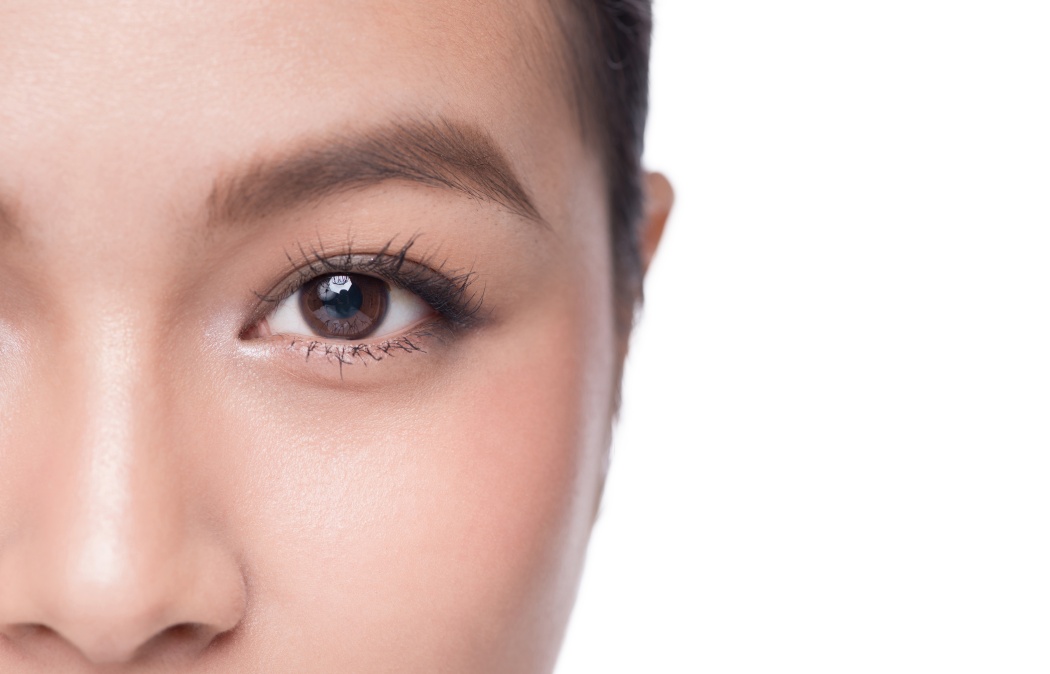
In an era of high-definition cameras, endless video calls, and social media close-ups, one facial feature has emerged as the focal point of aesthetic concern: the eyes. It’s no surprise that industry experts are naming blepharoplasty—eyelid surgery—as the procedure poised to define 2026. At Beverly Hills Center for Plastic & Laser Surgery, Dr. Ben Talei has witnessed this surge firsthand, helping patients from Los Angeles to New York achieve refreshed, natural-looking results that transform how they’re perceived without announcing that work has been done.
What makes eyelid surgery so appealing? The answer lies in the outsized impact the eye area has on facial perception. Drooping upper lids, puffy under-eye bags, and fine lines around the eyes can make even well-rested individuals appear tired, aged, or unapproachable. A skilled blepharoplasty corrects these concerns while maintaining—and often enhancing—your natural expressiveness.
Why the Eyes Matter More Than Ever
The pandemic permanently changed how we interact with the world. Video conferencing became standard, and with it came an uncomfortable familiarity with our own faces on screen. Many people noticed features they’d never examined so closely—and the eye area frequently topped the list of concerns.
During video calls, lighting often emphasizes shadows beneath the eyes and highlights any hooding of the upper lids. The result? People who felt confident about their appearance in person suddenly felt self-conscious about how they looked on camera. This phenomenon, sometimes called “Zoom face,” drove many first-time patients to seek consultation.
Beyond video calls, social media has created a culture of constant visual documentation. Between selfies, photographs, and video content, the average person’s face is captured and scrutinized more than any previous generation. For those whose eye area shows signs of aging or fatigue, this relentless documentation becomes a daily reminder of features they’d like to address.
Understanding Upper vs. Lower Blepharoplasty
Blepharoplasty isn’t a one-size-fits-all procedure. Depending on your concerns, Dr. Talei may recommend upper blepharoplasty, lower blepharoplasty, or a combination of both for comprehensive rejuvenation.
Upper blepharoplasty addresses:
- Excess Skin: removes redundant tissue that creates hooding over the eyelid crease
- Fatty Deposits: eliminates puffiness in the inner corner of the upper lid
- Impaired Vision: in severe cases, sagging upper lids can obstruct peripheral vision
- Aged Appearance: creates a more open, alert, and youthful eye shape
Lower blepharoplasty targets:
- Under-Eye Bags: repositions or removes fat that creates puffy pouches beneath the eyes
- Hollow Appearance: fat can be redistributed to smooth the transition between lid and cheek
- Loose Skin: addresses crepey or wrinkled skin beneath the lower lash line
- Dark Circles: while not a direct fix, improved contour can minimize shadowing that creates darkness
The Shift Toward Younger Patients
Traditionally, blepharoplasty was considered a procedure for patients in their 50s and beyond. That demographic is rapidly changing. Today, patients in their late 30s and 40s are increasingly seeking eyelid surgery—not because of dramatic aging, but because they want to address early changes before they become more pronounced.
This proactive approach aligns with a broader shift in aesthetic medicine toward maintenance rather than restoration. Rather than waiting until significant aging has occurred and attempting to turn back the clock dramatically, many patients prefer subtle interventions that keep them looking like themselves—just refreshed.
Genetics also play a significant role. Some individuals develop under-eye bags or upper lid hooding in their 20s or 30s due to hereditary factors rather than aging. For these patients, blepharoplasty offers a solution that no amount of skincare or lifestyle modification can provide.
The Artistic Approach to Eyelid Surgery
What separates exceptional blepharoplasty results from merely adequate ones? The answer lies in understanding that eyelid surgery isn’t just about removing tissue—it’s about creating harmony between the eyes and the rest of the face while preserving natural expression.
Dr. Ben Talei approaches every blepharoplasty with the artistic sensibility that defines his practice. As a dual board-certified facial plastic surgeon who completed two separate fellowships—one at the prestigious New York Center for Facial Plastic & Laser Surgery and another at the Vascular Birthmark Institute of New York—he brings unparalleled training to every procedure. His residency at Columbia University and Cornell University Medical Centers provided the foundation, while his fellowship training refined his understanding of the delicate periorbital anatomy.
This extensive training translates into a nuanced approach that considers not just what to remove, but what to preserve. Modern techniques often involve repositioning fat rather than simply excising it, creating a more natural transition between the lower lid and cheek. The goal is eyes that look rested and refreshed—never hollow, surprised, or altered.
What to Expect: Procedure and Recovery
Blepharoplasty is typically performed under local anesthesia with sedation, though some patients opt for general anesthesia depending on their comfort level and the extent of the procedure. Upper blepharoplasty takes approximately 30 to 45 minutes per eye, while lower blepharoplasty may take slightly longer. When both are performed together, patients should expect approximately 90 minutes to two hours in surgery.
Incisions for upper blepharoplasty are placed within the natural eyelid crease, rendering them virtually invisible once healed. Lower blepharoplasty can often be performed through a transconjunctival approach—meaning the incision is made inside the lower eyelid, leaving no visible external scar. When skin removal is necessary, the incision runs just below the lash line, where it heals inconspicuously.
Recovery is generally manageable. Most patients experience swelling and bruising for seven to ten days, with the majority feeling comfortable returning to non-strenuous activities within a week. Final results emerge over several weeks as residual swelling subsides. Many patients are pleasantly surprised by how quickly they can return to normal life—and how significant the improvement appears once healing is complete.
Beyond Surgery: Complementary Treatments
While blepharoplasty addresses structural concerns around the eyes, Dr. Talei often recommends complementary treatments to optimize results. Laser resurfacing can improve skin texture and reduce fine lines, while carefully placed neuromodulators like Botox can address crow’s feet and brow position. For patients with hollowing that extends beyond what fat repositioning can address, strategic use of fillers may be appropriate.
The Beverly Hills Center also offers Profound RF, a non-surgical treatment that some patients describe as “a facelift without surgery.” This technology can complement blepharoplasty by improving skin quality and stimulating collagen production in areas adjacent to the surgical site.
Dr. Talei’s conservative approach means he will only recommend treatments he genuinely believes will benefit the patient. As noted by numerous patient reviews, he will not perform procedures simply because they’re requested—if he doesn’t believe something will produce excellent long-term results, he’ll explain why and suggest alternatives.
Discover Refreshed Eyes at Beverly Hills Center
If tired-looking eyes are affecting your confidence or how others perceive you, blepharoplasty may offer the solution you’ve been seeking. Dr. Ben Talei combines world-class training with artistic vision and genuine compassion, delivering results that look natural while making a meaningful difference in patients’ lives.
Contact Beverly Hills Center for Plastic & Laser Surgery at (310) 288-0641 to schedule your consultation. Located at 465 N. Roxbury Drive, Suite 750, in Beverly Hills, the practice welcomes patients from Los Angeles, Santa Monica, Hollywood, and throughout Southern California, as well as national and international patients seeking Dr. Talei’s specialized expertise in facial plastic surgery.